
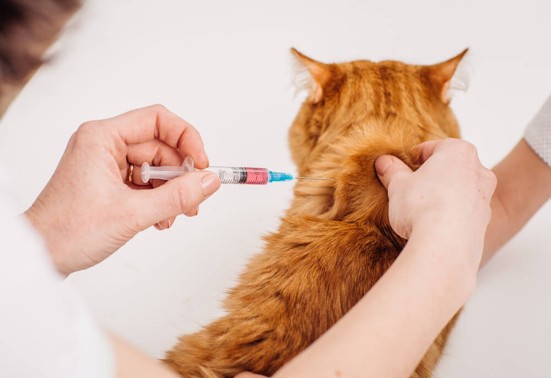
Dog and Cat Vaccination Schedules Explained
For many pet owners, keeping track of vaccinations can feel confusing. There are different timelines, booster shots to consider and plenty of mixed information online. It is not always clear what your pet actually needs or when.
At the same time, pet vaccination plays a key role in protecting dogs and cats from serious diseases. At Animal Tracks Veterinary Clinic, we will assist you in staying up to date with the right schedule, which helps reduce health risks and can prevent costly treatment later on.
This guide breaks down how vaccinations work, what timelines typically look like in Australia and why booster shots are just as important as the first round.
Why Vaccinations Matter for Dogs and Cats
Vaccines help your pet’s immune system recognise and respond to harmful viruses and bacteria. Instead of fighting an illness for the first time, the body is prepared to deal with it more effectively.
There are generally two types of vaccines:
- Core vaccines, which protect against common and serious diseases
- Non-core vaccines, which may be recommended based on your pet’s lifestyle
For dogs, dog vaccinations often protect against conditions such as parvovirus and distemper. For cats, cat vaccination commonly includes protection against feline respiratory viruses.
Even pets that spend most of their time indoors can still be exposed. Germs can be carried on shoes, clothing or through contact with other animals, which is why vaccination is still recommended.
Vaccination Schedules for Puppies and Kittens
Vaccination schedules usually begin when pets are young, as this is when they are most vulnerable.
For puppies, dog vaccinations typically start between 6 and 8 weeks of age. Follow-up doses are given every few weeks until around 16 weeks, helping to build stronger immunity. Full protection is usually reached after this initial series is complete.
Kittens follow a similar pattern. Cat vaccination generally begins at around 6 to 8 weeks, with additional doses given over the following weeks. Even if a kitten stays indoors, these early vaccinations are still important for long-term health.
After the initial schedule, pets will need ongoing booster vaccinations as they grow into adulthood.
Why Booster Vaccines Are Important
It is common for pet owners to stay on track with early vaccinations but delay or forget boosters later on. However, immunity does not last forever.
Booster shots help strengthen your pet’s immune memory. Over time, protection from earlier vaccines can fade, leaving your pet more vulnerable to infection.
Keeping up with pet vaccination schedules, including boosters, can:
- Maintain protection against preventable diseases
- Reduce the risk of outbreaks in the community
- Help avoid more serious health complications later
Staying consistent with boosters is often simpler and more cost-effective than dealing with illness.
Common Vaccination Myths Explained
There are a few common misunderstandings that can lead to hesitation around vaccinations.
One belief is that indoor pets do not need vaccines. In reality, exposure can still happen in indirect ways, so protection is still important.
Another concern is that pets receive too many vaccines. In practice, vaccination plans are designed carefully based on veterinary guidelines and your pet’s needs.
It is also a misconception that one round of vaccinations lasts for life. Immunity changes over time, which is why boosters are part of a long-term health plan.
Understanding these points can help pet owners feel more confident about keeping vaccinations up to date.
Knowing What Your Pet Needs
Every pet is different, and there is no single schedule that fits all situations. Factors such as age, environment and lifestyle all influence what vaccinations may be recommended.
Regular check-ups allow your vet to review your pet’s history and adjust their vaccination plan if needed. This helps ensure they are protected without unnecessary treatments.
If you are unsure about your pet’s vaccination status, it is always worth asking. A quick discussion can clarify what is needed and when.
Not sure if your pet is up to date with their vaccinations? Book a check-up with Animal Tracks Veterinary Clinic and get clear guidance on the right dog vaccinations or cat vaccination schedule for your pet.

