
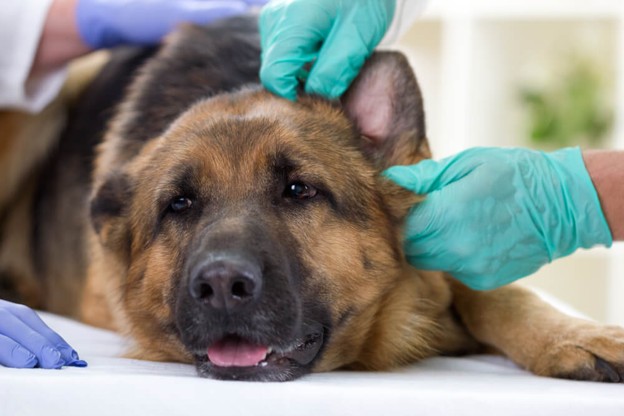
Understand Ear Infections in Pets – Early Signs, Causes and Preventions
Ear problems are one of the more common issues seen in veterinary clinics, yet they are not always recognised early. Many pets show only subtle signs at first, which can make it easy to overlook until the condition becomes more uncomfortable.
An ear infection in pets can develop gradually, but delaying treatment may lead to more serious complications. Catching the early signs makes a noticeable difference, both in how quickly the issue can be managed and how comfortable your pet remains.
This guide explains what to look for, why infections happen and how to reduce the chances of them returning.
Why Ear Health Matters
The structure of a pet’s ear makes it more prone to problems than many people realise. Dogs, in particular, have longer ear canals that can trap moisture and debris. Some breeds are more affected than others, especially those with floppy ears or thicker hair around the ear opening.
Cats are generally less prone to infections, but when issues do occur, they can still cause significant discomfort.
Regular checks can help you notice small changes early. Even a quick look at your pet’s ears from time to time can make it easier to spot something unusual before it worsens.
Early Signs of Ear Infections
The first signs of ear infections in dogs or cats are often behavioural rather than obvious physical symptoms.
You may notice:
- Frequent head shaking or scratching at the ears
- Redness or swelling inside the ear
- A noticeable odour
- Discharge or build-up in the ear canal
- Sensitivity when the ear is touched
Some pets may also seem more withdrawn or irritable due to discomfort. These changes can appear mild at first but tend to become more noticeable over time.
Common Causes of Ear Infections
There are several reasons why an ear infection in pets can develop, and it is not always due to a single factor.
Common causes include:
- Bacterial or yeast overgrowth
- Allergies, either environmental or food-related
- Moisture left in the ears after bathing or swimming
- Foreign material, such as grass seeds or dirt
- Parasites like ear mites
- Limited airflow due to hair or ear shape
Because the causes can vary, identifying the exact reason is important for choosing the right ear infection treatment.
Why Early Treatment Matters
What begins as mild irritation can develop into a more serious infection if left untreated. As the condition progresses, pets may experience increased pain, ongoing inflammation or even changes in hearing and balance.
In some cases, repeated infections can lead to long-term ear problems that require more complex management. Addressing symptoms early usually means simpler and more effective treatment.
Treatment and Prevention
Proper ear infection treatment starts with a veterinary examination. This helps determine the underlying cause and ensures the correct medication is used.
Our treatment may involve:
- Careful cleaning of the ear
- Prescription drops or medication
- Managing underlying conditions such as allergies
Home remedies are not always suitable and can sometimes make the problem worse, particularly if the cause has not been identified.
Prevention often comes down to regular care. This can include gentle ear checks, keeping ears dry after water exposure and routine veterinary visits to monitor overall ear health.
If you have noticed changes in your pet’s ears or behaviour, it may be worth having them checked early. Book a consultation with Animal Tracks Veterinary Clinic to assess any signs of ear infection and get the right treatment plan for your pet.

